


Humans made massive advances during the 20th century harnessing new knowledge and technology to control disabling diseases that had devastated humankind since time immemorial. Vaccines eradicated smallpox, among other scourges. Polio, Leprosy and tuberculosis could be controlled through immunization and treatment. Surgery could reverse visual and hearing loss. Safer water, sanitation, maternal and child care along with better nutrition could help halt the high rates of infant mortality.
During the International Decade of Disabled Persons, Sir John Wilson convened an international conference of experts in 1981 at Leeds Castle, in the UK, to explore opportunities and highlight action for the prevention of needless disability. Sir John had been blinded at age 12 and had worked in Britain and British colonies on helping the blind. He was then invited to present the recommendations of the conference, “Disability Prevention: the Global Challenge”, to the United Nations General Assembly in New York. As a result, several UN agencies (the World Health Organization – WHO, the UN Development Programme – UNDP and the UN Children’s Fund -Unicef) came together with a Resolution to form IMPACT: An International Initiative Against Avoidable Disability.
The idea was (and still is) to engage the private sector and non-governmental organizations in the prevention of disabilities, principally in developing countries.
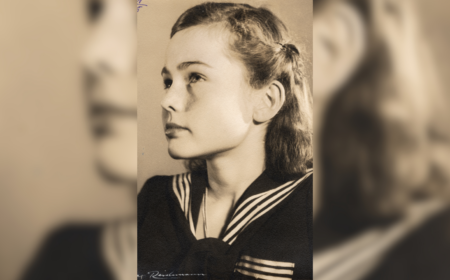
Melissa, who had just spent three rough years heading up the UN in Uganda, was appointed in 1982 as the first International Director of the program, based at the WHO building in Geneva. She had a secretary, a travel budget and not much else in the way of UN support.
Sir John, who was 63 when he met Melissa, worked closely with the US diplomat. Their successful teamwork helped set up IMPACT Foundations in a dozen countries. “She was an inspiring presence, lending her dynamism, charm, passion and contacts as a tireless advocate to kickstart the organization. She travelled widely, engaging with like-minded people at every level, helping to establish IMPACT Foundations in south-east Asia, East Africa and in Europe,” recalls Sir John’s daughter Claire Hicks, who is Founding Director and Trustee of the UK IMPACT Foundation and, like Melissa, Ambassador to the International Federation of IMPACT Organizations.
Melissa summed up in five words the spirit of IMPACT when she described what would make the project eventually succeed: “Just local, committed, dedicated people”.
At the suggestion of Indian Prime Minister Indira Gandhi, India became the first country to set up an IMPACT Foundation. Sir John and Melissa found a ready partner in the Tata corporation, which seconded (lent) Zelma Lazarus to become the CEO of the www.impactindia.org in 1983. Melissa spoke at several events there, including at the Rotary Club in Mumbai.


Practical action began in India with mass immunization campaigns in collaboration with the Government, mobile clinics, health education and training. Determined to “take the hospital to the people” in remote areas with marginalized communities, IMPACT India developed imaginative solutions. These included the Lifeline Express hospital train in India, The Boat of Life in Bangladesh, vehicles adapted to take medical personnel and equipment enabling eye, ear and orthopedic camps, training of local health workers and accessible health education.
In Thailand, Sir John and Melissa worked with Dr. Salyaveth Lekagul, who performed ear surgeries on hundreds of people.
Melissa, Alfred and their younger son Gregory lived outside of Geneva. Their car was the same Toyota Hilux that they had driven from Africa, across Sudan and Egypt, to her new post.

Sir John and Melissa kept up their friendship after she left IMPACT in 1986. In 1996, when she was working in São Paulo, he sent her a fax updating her on the progress of IMPACT Foundations in several countries. Once, when they were having dinner, Sir John left a major chunk of his chocolate dessert on his plate. Melissa, who loved chocolate, knew that he didn’t know it was right in front of him. She was torn between her craving for chocolate and the guilt of stealing sweets from a blind man. Finally, she told him that he still had some delicious dessert.
To date, through IMPACT’s work, 50 million initiatives have provided accessible surgery for the restoration of sight, mobility or hearing, early identification and treatment of potentially disabling conditions, safe water and sanitation, health education and training and action for safer motherhood and child survival. A magnificent achievement of which Melissa was justly proud.
After she retired in 2001, Melissa remained closely involved and interested in the IMPACT program. She took on the role Ambassador to the International Federation of IMPACT Organizations for the rest of her life, from her home in the Canary Islands. In 2006, she and her husband Alfred attended a meeting in India of all the IMPACT Foundations.
